Revitalize Your Property: Vital Details On Residential Improvement Projects for All Property Owners
Homeowners often seek methods to enhance their homes through home improvement projects. These projects can range starting with kitchen improvements to complete home renovations. Being aware of the possibilities is vital for deciding wisely. Furthermore, there exist real-world factors including financial planning and selecting the professional contractor. As homeowners commence on this journey, they may run into surprising obstacles. Achieving a successful makeover depends on careful planning and performance. What steps should be taken next?
Grasping the Diverse Forms of House Improvement Projects
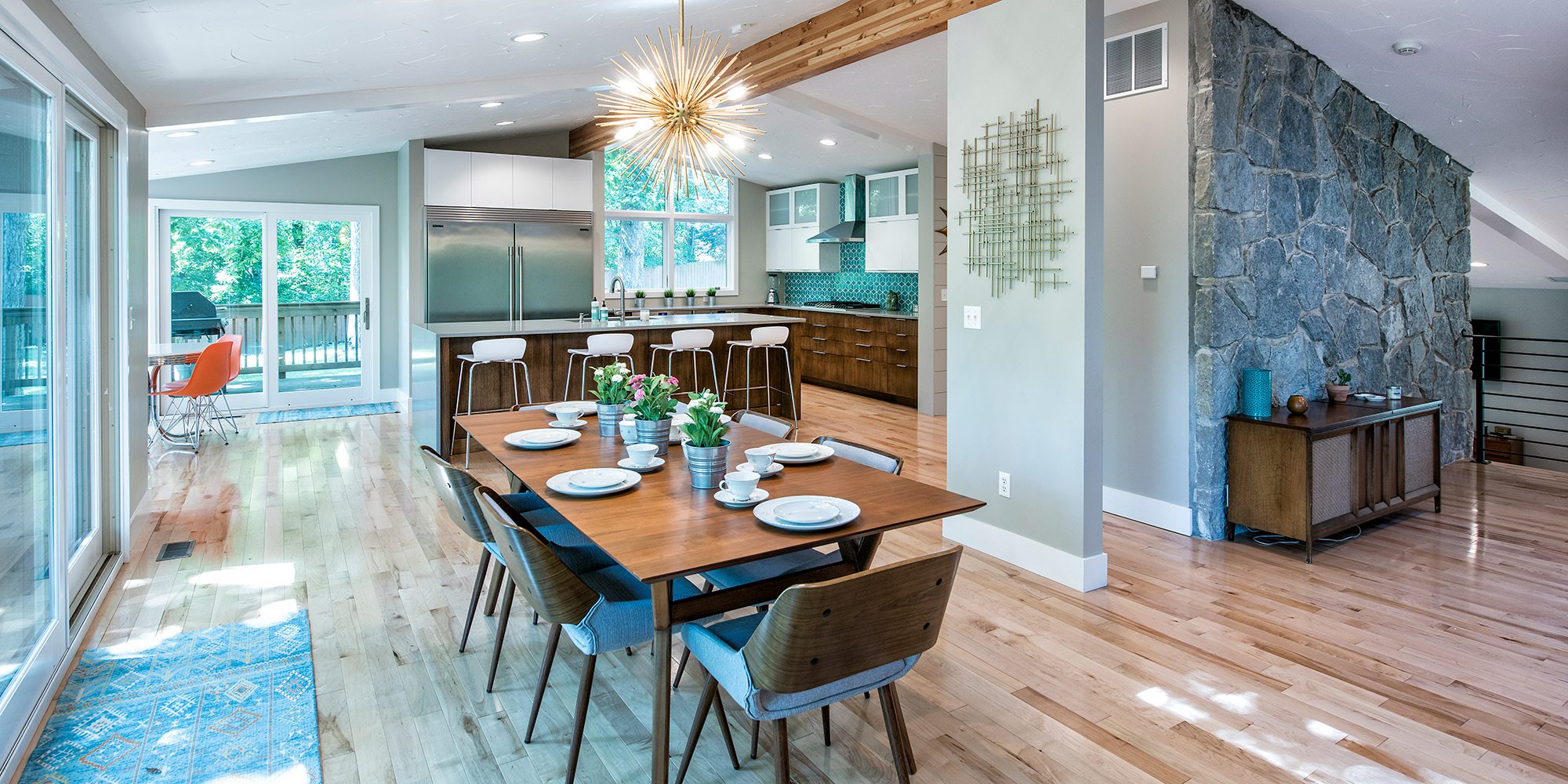
When property owners think about upgrading their homes, they often encounter many different types of services tailored to different needs and preferences. These projects are generally grouped into various categories, all dealing with certain elements of home improvement. Renovating the kitchen involves updating appliances, storage units, and layouts to enhance functionality and visual appeal. Bathroom remodeling typically involves upgrading fixtures, tiling, and organizational units for greater ease and visual flair.
Whole-home remodeling encompasses extensive modifications to the entire house, often including structural alterations to maximize the area and movement. Outdoor renovation projects, conversely, focus on boosting the property's street view, dealing with the cladding, the covering, and landscaping. Moreover, niche projects like basement finishing and loft remodeling help residents make the most of underutilized spaces. All these service types delivers specific perks, letting residents pick services that align with their vision for their home life. Understanding these distinctions is crucial to choosing wisely throughout the remodeling project.
Creating an Attainable Financial Limit for Your Renovation Undertaking
What steps ensure their remodeling projects remain economically sound? Creating a sensible budget is essential. Homeowners should begin by determining their fiscal limits, including savings and potential financing options. This first stage allows one to figure out the funds available for the remodel without compromising other financial responsibilities.
Next, homeowners must investigate the expenses linked to their planned updates, including materials, labor, and surprise expenses that tend to crop up. Creating a detailed list of priorities helps with separating necessities from non-essential items, enabling modifications if the finances are strained.
It is prudent to set aside an emergency fund, usually about 10-20% of the overall cost, to account for surprise expenditures. Periodically examining and tweaking the budget throughout the remodeling process can also help maintain financial control. In the end, a carefully structured budget ensures the project is feasible but also improves the entire renovation process for homeowners.
Choosing the Right Contractor for Your Needs.
Choosing the appropriate professional has a major influence on the success of a remodeling project. It is recommended that homeowners start by performing extensive investigation, seeking recommendations from friends, family, or online reviews. It’s vital to verify credentials, including licenses, insurance, and bonding, to verify their standing.
After suitable professionals have been found, they should seek detailed cost breakdowns and timeframes, facilitating well-grounded side-by-side evaluations. Interviews provide insight into communication styles and professionalism, that are key to a cooperative effort.
Furthermore, examining previous work via portfolios or referrals can reveal a contractor's quality of workmanship. It is wise to question them regarding warranties or safeguards, indicating discussion the builder's certainty about their services.
Finally, picking a builder whose approach fits the property owner's ideas, cost plan, and timeframe creates a better renovation journey, making certain the outcome satisfies needs and successfully updates the home's interior.
Organizing and Conceptualizing The Space You Envision.
When property owners picture their perfect areas, careful planning and thoughtful design form vital parts of a triumphant renovation effort. The first step involves evaluating current needs and future aspirations, to gain a complete comprehension of the area's utility. Owners must take into account functionality, aesthetics, and personal style, making sure the design captures their unique preferences.
Subsequently, it is critical to create a detailed budget. This budget should cover supplies, labor, and contingency funds. Consulting with design experts can offer helpful perspectives, helping to optimize the space while adhering to budgetary constraints.
Including features such as natural light, spacious designs, and sustainable materials can enhance the overall experience. In conclusion, seeing the project via drawings or computer models can help perfect concepts prior to construction. When handling the initial design phase deliberately, homeowners can build a comfortable, effective space suited to their way of life.
Understanding Regulations and Permits in House Renovation
Understanding the complexities of permits and regulations can be challenging for homeowners starting on a remodeling project. Every city or county maintains distinct regulations that govern what can be done during renovations, often influenced by area restrictions, construction standards, and security requirements. It is essential for homeowners to understand local regulations to avoid costly fines or setbacks in the timeline.
Typically, obtaining permits is crucial for major changes, such as structural changes or new wiring installations. This process usually necessitates providing designs for examination and could involve check-ups at various stages.
Working with a skilled professional can simplify this process, as they are usually well-versed in local regulations and can help manage the documentation. Homeowners should also keep communication open with local building departments to guarantee compliance throughout the project. By comprehending and working within these rules, homeowners can achieve their remodeling goals while ensuring safety and legality in their renovations.
Common Queries
How Much Time is Needed for a Typical Remodeling Job?

A standard home renovation generally requires three to six months on average, contingent upon the extent of the project, scale of the house, and material lead times. Intricate jobs could demand more time for completion.
What are typical errors that people make when renovating?
Frequent errors in the remodeling process often involve miscalculating costs, neglecting permits, missing scheduled deadlines, poor communication with the construction team, and failing to think about long-term functionality. Awareness of these pitfalls often results in a smoother, more positive renovation outcome.
How do I choose the right materials for my project?
Picking the best materials means considering how long they will last, the look and feel, and budget. Researching options, getting expert advice, and thinking about upkeep can greatly aid to make smart choices, making sure the renovation matches your functional and aesthetic goals.
Is it possible to stay in my house throughout the construction phase?
It is possible to remain in their home while work is ongoing, but you should expect some hassle. Detailed organization, effective coordination with the renovation team, and designating specific areas for essential activities can lessen the stress while the work is underway.
What guarantees should I look for from the renovation company?
Clients typically receive warranties for the labor performed, materials, and key building elements, often covering a period of one to ten years. It is essential to examine the fine print and details alongside your builders to understand coverage and limitations fully.